Book Funnel - Free Plus Shipping, Digital Books and the Upsells That Follow (2026)
What Is a Book Funnel?
A book funnel uses your book as the first step in a customer journey. Instead of hoping readers find your other offers, you design a path: the book introduces your ideas and builds trust, then upsells and follow-up emails invite readers to go deeper with a course, coaching or service.
For many experts, a book is the best possible lead magnet. Readers spend hours with your thinking, which builds far more trust than a short checklist. Someone who finishes your book and finds it useful is a warm prospect for whatever you offer next.
A book funnel turns readers into clients
Offer your book free, at a low price or free plus shipping, add relevant upsells, then follow up with readers by email toward a deeper offer.
Types of Book Funnels
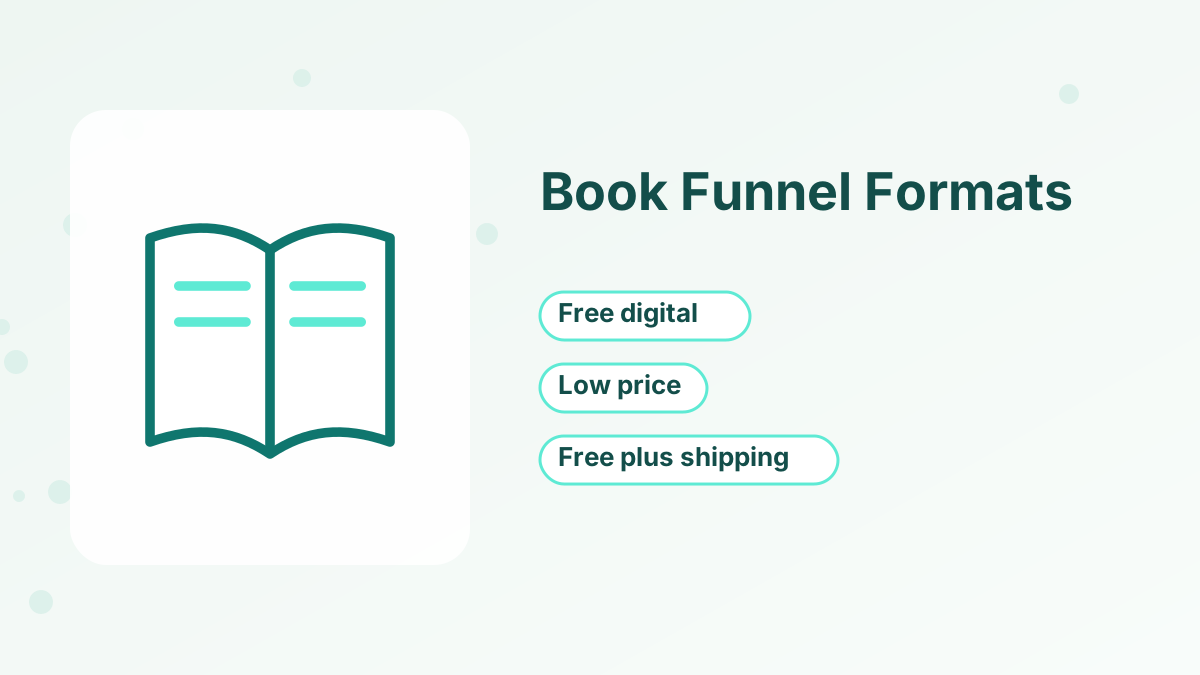
There are three common ways to use a book as the front of a funnel.
| Format | How it works | Best for |
|---|---|---|
| Free digital book | Readers give their email to get a PDF or ebook | Fast list building at low cost |
| Low-priced book | Readers buy the ebook or print book at a small price | Building a list of buyers |
| Free plus shipping | The physical book is free; readers pay shipping | Authority-building physical book with upsells |
A free digital book builds a list quickly but attracts some people who never read it. A paid or free-plus-shipping book creates a list of buyers who have already spent money with you, who are often more likely to buy again.
With free plus shipping, the shipping charge usually covers printing and postage, and the funnel's revenue comes from upsells and later offers. That only works if your backend offers are relevant and valuable.
The Pages in a Book Funnel
- Book offer pageShows the cover, the promise, who it's for and what readers will learn, with a simple order form.
- Order bumpA one-click add-on at checkout, such as the audiobook, a workbook or a toolkit.
- One-click upsellAfter purchase, offer a course, a coaching session or a bundle related to the book.
- DownsellIf the upsell is declined, offer a smaller option.
- Thank-you pageConfirms the order, delivers digital items and invites readers to a next step, such as a community.
- Follow-up emailsHelp readers use the book and introduce your deeper offer.
Each step should feel like a natural extension of the book. If your book teaches a framework, the upsell might be a course that walks through implementing it, or a template pack that saves time.
What to Offer After the Book
The backend offers are what turn a book funnel into a business. Good options include:
Audiobook or Workbook
A convenient format or a practical companion, ideal as an order bump.
Online Course
A deeper, step-by-step version of the book's framework.
Coaching or Consulting
Personal help applying the ideas, often through an application or booking page.
Community or Membership
Ongoing support and connection with other readers.
What it means for you: plan the backend before you promote the book. A book funnel without a relevant next offer builds goodwill but not much revenue.
Following Up With Readers
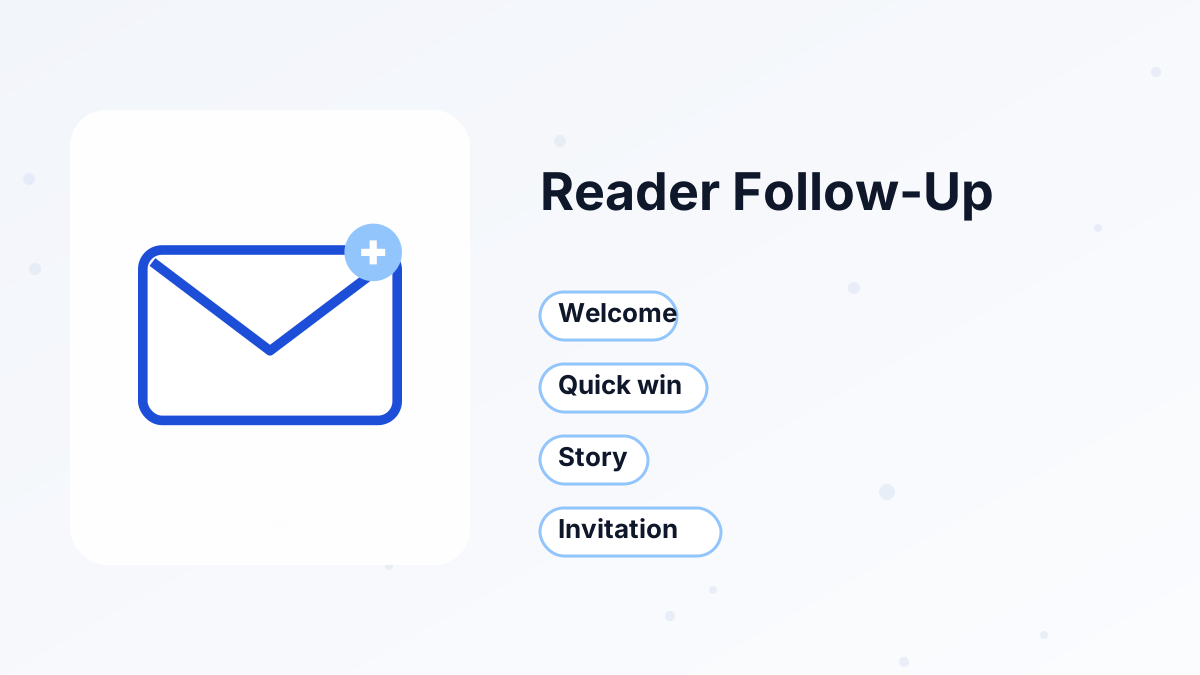
Most of the value of a book funnel comes after the purchase. A thoughtful email sequence helps readers start the book, get a quick win from it and see where your deeper offer fits.
A simple sequence might welcome readers and suggest which chapter to start with, share a short exercise from the book, tell the story behind one key idea, answer a common question, and then invite readers to your course, coaching or community. Space the emails over a week or two, because people need time to read.
Tag readers by what they bought, so people who took the audiobook or course don't receive offers for things they already own. See welcome email sequence and email list segmentation.
Promoting Your Book Funnel
A book funnel needs readers, and the book itself gives you plenty to talk about. Share short lessons from each chapter on social media, each ending with a link to the book offer page. Appear on podcasts and in newsletters where your ideal readers already listen, and offer the book as the next step.
Content works well too. An article that expands on one idea from the book can rank in search and send readers to the offer page for years. If you run ads, test them only after the offer page converts well with warm traffic, because ads magnify whatever your page already does.
Partners are often overlooked. Other authors, coaches and communities serving the same audience may happily share your book with their readers, especially if you offer them an affiliate commission on backend sales. Systeme.io's affiliate program feature lets partners promote your funnel and tracks their referrals automatically.
What it means for you: treat the book as a long-term asset. A book funnel that runs quietly in the background can keep introducing new readers to your work for years.
Building a Book Funnel
You'll need a sales page, checkout with order bump and upsells, digital delivery for ebooks and bonuses, a way to handle physical shipping if you send print books, and email automation.
Systeme.io covers most of this in one account: funnel pages, checkout with order bumps, one-click upsells and downsells, digital product delivery, courses for your backend offer and email automation. It also supports physical products with shipping costs in your checkout; fulfillment, meaning printing and posting the book, is handled by you or a print partner. See systeme.io ecommerce.
Book Funnel Tips
Write a book that's genuinely useful on its own, even for readers who never buy anything else. A thin book written only to sell something else damages trust and hurts your backend sales.
Make the promise specific, and put it in the title or subtitle. "The 30-Day Freelance Pricing Plan" is easier to sell than a general book about freelancing.
Keep the checkout simple, and be clear about any shipping charges before payment, including for international readers. Surprises at checkout reduce trust and increase refunds.
Add a short reader bonus inside the book itself, such as a free worksheet that requires an email address. It turns readers who bought through a bookstore into subscribers you can follow up with, which extends your funnel beyond your own sales page.
Finally, invite readers to reply. Questions from readers show you what they need next and often reveal your best backend offer. See how to sell ebooks online.
Build Your Book Funnel in One Place
Sales page, order bumps, upsells and reader emails on systeme.io, starting free.
Try Systeme.io FreeBook Funnel FAQs
What is a book funnel?
A sales funnel that uses a book as the entry offer, followed by upsells and emails that lead readers to a course, coaching or service.
What does free plus shipping mean?
The book itself is free, and the reader pays the shipping cost. Revenue usually comes from upsells and later offers.
Should a book funnel use a free or paid book?
A free digital book builds a list faster; a paid or free-plus-shipping book builds a list of buyers who are often more engaged.
What should you upsell after a book?
An audiobook or workbook as an order bump, then a course, coaching or community that helps readers apply the book.
Can you sell physical books with systeme.io?
Yes. Systeme.io supports physical products with shipping costs in checkout; you handle printing and posting.