How to Write a Sales Page - The Section-by-Section Structure That Sells (2026)
What a Sales Page Needs to Do
A sales page has one job: help the right person decide to buy. It explains what you're offering, who it's for, what it will do for them and why now is a good time, then makes buying easy.
You don't need to be a professional copywriter to write one that works. Effective sales pages follow a predictable structure, and the hard part isn't clever wording. It's knowing your buyer well enough to answer their questions honestly and clearly.
In this guide, we'll walk through the research to do first, the sections to include in order and a template you can follow for your own offer.
Answer your buyer's questions in the order they ask them
Headline, problem, solution, what's included, who it's for, proof, price, guarantee, FAQs and a clear call to action, written in your buyer's own words.
Step 1: Research Before You Write
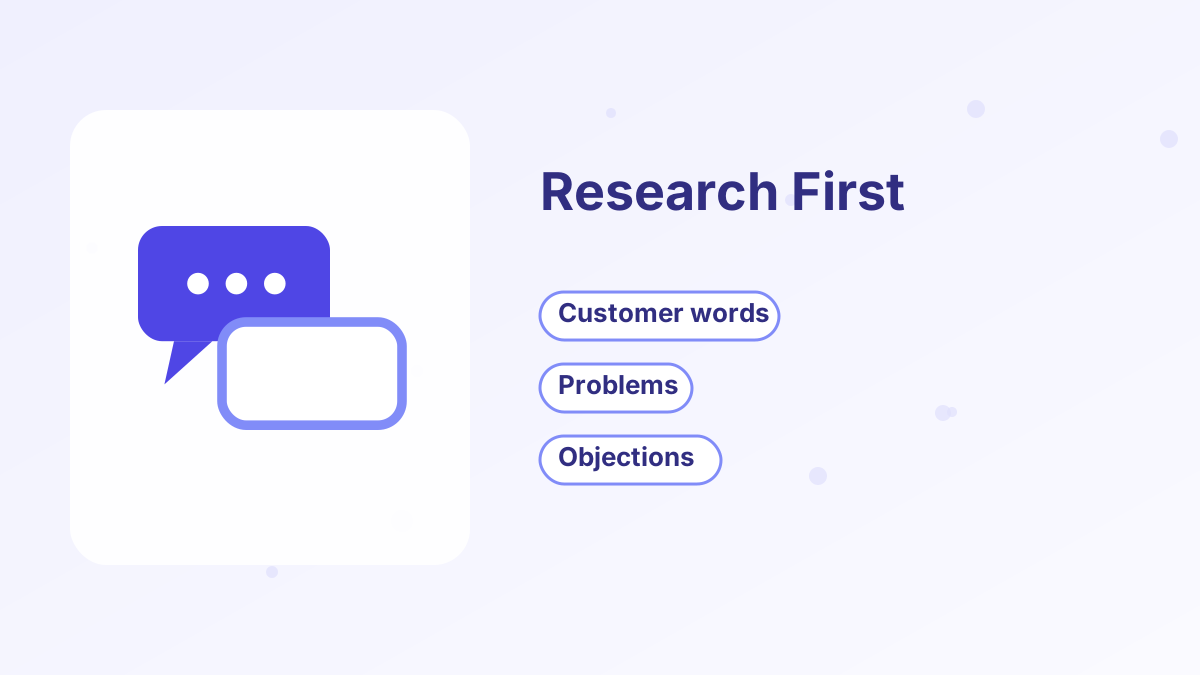
The best sales page copy often comes from your customers, not from your imagination. Before writing, collect the words your audience uses to describe their problem and the result they want.
Conversations
Notes from calls, emails and messages with potential customers.
Survey Answers
Ask your list what they're struggling with and what they've tried.
Reviews and Comments
Read what people say about similar products, both praise and complaints.
Your Own Results
Real outcomes from customers or students, used with permission.
Write down three things: the main problem in their words, the result they want in their words and the top three reasons they might hesitate. Those notes become your headline, your benefits and your FAQ.
Step 2: Write a Headline That Names the Result
Your headline should make the right person think, "That's exactly what I want." Focus on the result, not the product name.
| Product-focused | Result-focused |
|---|---|
| Introducing the Podcast Launch Course | Launch Your Podcast in 30 Days, Even If You've Never Recorded Before |
| Meal Planning Templates | Plan a Week of Family Dinners in 20 Minutes |
| Freelance Pricing Workshop | Raise Your Rates With Confidence and Keep Your Best Clients |
A subheadline below it can add who it's for and how it works. Keep promises realistic and specific; exaggeration damages trust.
Step 3: Describe the Problem
Next, show readers you understand their situation. Describe the problem, what they've tried and why it hasn't worked, using the language from your research.
This section isn't about making people feel bad. It's about recognition. When readers feel understood, they trust that your solution is designed for them.
What it means for you: a few short paragraphs or a bullet list of familiar frustrations is usually enough. Then move quickly to the solution.
Step 4: Introduce the Solution
Introduce your offer as the bridge from their problem to the result. Explain the approach behind it and why it works, then name the product.
If your method has a simple framework, such as three phases or five steps, share it here. A clear framework helps readers understand how the product gets them from where they are to where they want to be.
Step 5: Show What's Included
List exactly what buyers get, and turn each feature into a benefit.
| Feature | Benefit |
|---|---|
| 6 video modules | Learn at your own pace in short lessons that fit a busy week |
| Episode planning templates | Skip the blank page and plan a season in an afternoon |
| Private community | Get feedback and stay motivated alongside other new podcasters |
| Monthly live Q&A | Ask questions and get unstuck quickly |
For courses and programs, a module-by-module breakdown helps readers picture the experience. For products, show what they'll receive and how they'll use it.
Step 6: Say Who It's For and Who It Isn't For
A short "this is for you if" and "this isn't for you if" section helps the right people feel confident and the wrong people self-select out. That reduces refunds and builds trust.
This Is for You If…
- You want a step-by-step plan rather than scattered tips
- You can spend about two hours a week on it
- You're ready to take action this month
This Isn't for You If…
- You want results without doing the work
- You already have an established, profitable podcast
- You need personalized one-to-one coaching
Step 7: Add Genuine Proof
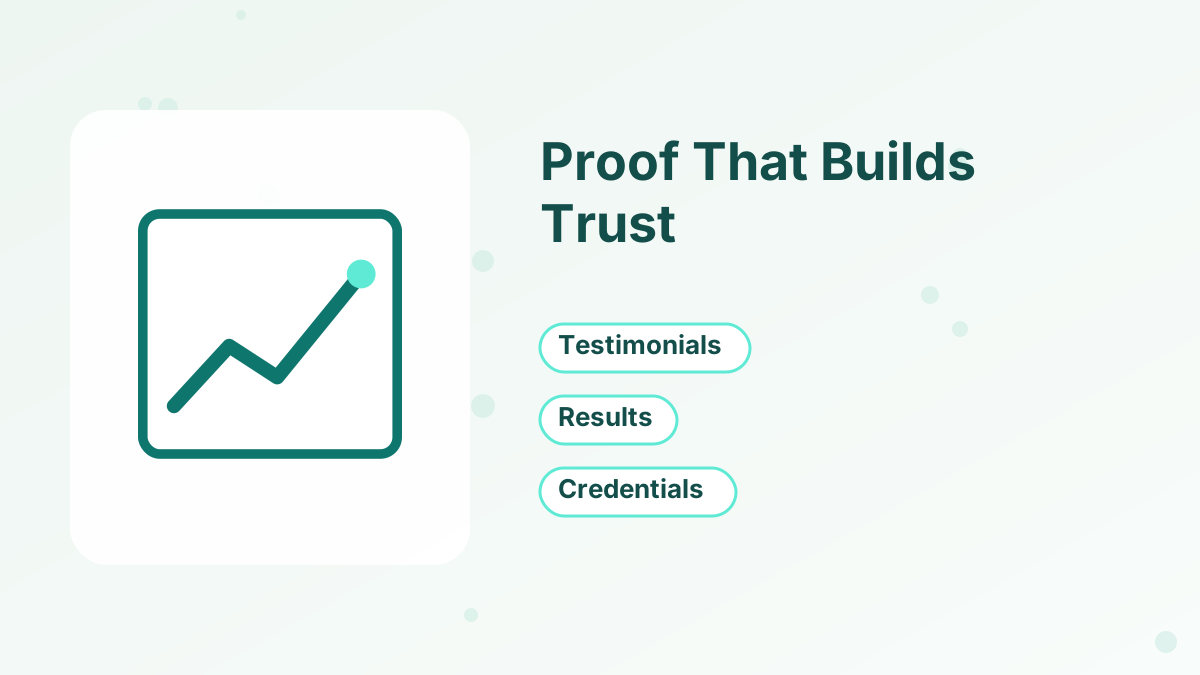
Proof answers the question "Will this work for me?" Use only genuine proof: testimonials you have permission to share, real results and relevant credentials or experience.
If you're launching a new product and don't have testimonials yet, that's fine. Explain your approach clearly, share the reasoning behind your method and offer a strong guarantee. You can also run a smaller beta to gather honest feedback before a full launch. Never invent testimonials or results.
Step 8: Present the Price and the Offer
Show the price clearly and explain what it includes. If you offer payment plans, show both options. Context helps: compare the price with the cost of the problem, the time saved or the alternatives, without making exaggerated claims.
Bonuses can add value, but only include ones that genuinely help buyers get results. If a bonus is only available for a limited time, make sure that limit is real.
This is also where you can raise the value of each order. An order bump at checkout and a one-click upsell after purchase let buyers add something relevant with one click. See order bumps and upsells.
Step 9: Offer a Guarantee
A guarantee reduces the risk of buying. State the terms simply: how long buyers have and what they need to do. Only offer a guarantee you're happy to honor, and handle refund requests quickly and politely.
Step 10: Answer Questions in an FAQ
Use your research list of hesitations to write an FAQ. Common questions include how long access lasts, how much time it takes, whether it suits beginners, what happens after purchase and how refunds work.
The FAQ catches readers who scrolled to the bottom still unsure. Clear answers often turn a "maybe later" into a purchase.
Step 11: Add Clear Calls to Action
Place the buy button near the top for people who are ready, after the "what's included" section, after proof and at the end. Use the same specific button text each time, such as "Join the Course" or "Get the Templates."
A Sales Page Template You Can Follow
- Headline and subheadlineThe result, who it's for and how it works.
- ProblemWhat they're struggling with, in their words.
- SolutionYour approach and why it works.
- Offer introductionName the product and summarize the transformation.
- What's includedModules or components, each with a benefit.
- Who it's forClear fit and non-fit lists.
- ProofGenuine testimonials, results or credentials.
- Price and bonusesClear pricing, payment options and real bonuses.
- GuaranteeSimple, honest terms.
- FAQAnswers to the top hesitations.
- Final call to actionA short recap and the buy button.
Building and Publishing Your Sales Page
Once your copy is ready, build the page from a template, connect checkout and test the full purchase flow on a phone.
Systeme.io includes sales page templates, checkout with Stripe, PayPal and other gateways, order bumps, one-click upsells and automatic product delivery, so buyers get instant access to courses or downloads. Every plan charges 0% transaction fees. See create a funnel in systeme.io.
Sales Page Length and Tone
Match the length to the price and the decision. A low-priced template pack might need a short page with a clear description, a preview and a buy button. A higher-priced course or coaching program usually needs more: a detailed breakdown, proof, FAQs and a guarantee, because buyers have more questions before spending more.
Keep the tone conversational. Write the way you'd explain the offer to a friend who asked about it, using "you" and short sentences. Readers trust a clear, honest explanation far more than hype.
Sales Page Mistakes to Avoid
Leading with the product name instead of the result is the most common mistake. Others include walls of text with no headings, vague benefits, missing price information, a hard-to-find buy button and fake urgency. Each makes readers less sure, and unsure readers don't buy. See improve funnel conversion rate.
Publish Your Sales Page With Checkout Built In
Templates, checkout, bumps, upsells and delivery on systeme.io, starting free.
Try Systeme.io FreeHow to Write a Sales Page FAQs
How long should a sales page be?
Long enough to answer your buyer's questions. Low-priced products need less; higher-priced offers usually need more detail and proof.
What is the best sales page structure?
Headline, problem, solution, what's included, who it's for, proof, price, guarantee, FAQ and a final call to action.
Can you write a sales page without testimonials?
Yes. Explain your method clearly, show credentials and offer a guarantee. Never invent testimonials.
Where should the buy button go?
Near the top, after key sections such as what's included and proof, and at the end, with the same button text each time.
Do you need a copywriter for a sales page?
Not necessarily. A clear structure and your customers' own words take you most of the way.