How to Start an Online Business - Pick a Model, Validate, Launch and Grow on a Small Budget (2026)
What Starting an Online Business Really Involves
An online business is any business that finds customers, sells and delivers mainly through the internet. That covers a huge range: selling courses or templates, coaching by video, running an affiliate site, offering freelance services or selling physical products online.
The good news is that you can start with very little money. Many online business models need no inventory, no office and no staff. The harder parts are choosing a direction, proving people will pay and getting consistent attention from the right people.
This roadmap walks through each stage in order. You'll choose a business model, validate the idea, set up the essential tools, launch and then grow. At each step we'll point you to deeper guides on this site.
Pick one model, prove demand, then build the simplest system that sells
Choose a business model that fits your skills, validate it with real buyers, set up a sales page, payments and email list, and focus on one marketing channel until it works.
Step 1: Choose a Business Model
Your business model decides how you earn money, how much you need to start and how quickly you can make your first sale. Here are the most common models for beginners.
| Model | How you earn | Startup cost | Time to first sale | Good fit if you |
|---|---|---|---|---|
| Freelance or services | Clients pay for your work | Very low | Fast | Have a marketable skill |
| Coaching or consulting | Clients pay for guidance | Very low | Fast to medium | Have expertise and like working with people |
| Digital products | Customers buy downloads or templates | Low | Medium | Can package what you know |
| Online courses | Students pay for structured learning | Low | Medium | Can teach a skill step by step |
| Memberships and communities | Members pay monthly | Low | Medium | Can deliver ongoing value |
| Affiliate marketing | Commissions on others' products | Low | Slow to medium | Enjoy content and recommendations |
| Ecommerce | Selling physical products | Medium to high | Medium | Have a product and can handle logistics |
What it means for you: if you need income soon, start with services or coaching, which can earn from your first client. If you want a business that scales without trading time, plan to add digital products, courses or affiliate income as you go. Many successful online businesses combine two or three of these.
Step 2: Choose a Specific Niche
A niche is the specific group of people you serve and the problem you solve for them. "Fitness" is a market; "strength training for women over 50 who train at home" is a niche.
A specific niche makes everything easier. Your content attracts the right people, your offer feels made for them and you face fewer direct competitors. Look for the overlap between what you know, what people actively want and what they're willing to pay for.
- List your strengthsSkills, experience, hobbies and problems you've solved.
- Find active demandLook for questions people ask online, products that already sell and topics with paid courses or books.
- Pick a specific audienceChoose who exactly you'll serve.
- Name the problemWrite one sentence describing the problem you solve for them.
Step 3: Validate Before You Build
Validation means getting proof that people will pay before you invest heavily. It's the step most beginners skip, and the one that saves the most time and money.
The strongest validation is a sale. You can pre-sell a product before it's finished, offer a founding-client rate for a service or open a waitlist with a clear price. Conversations with potential customers help too, but people's actions tell you more than their opinions.
If nobody bites, that's useful information. Adjust the audience, the problem or the offer and test again. See digital product ideas for inspiration.
Step 4: Handle the Business Basics
Every online business needs some practical foundations. The specific rules depend on your country, so check local requirements or ask a professional.
Business Structure
Many people start as a sole trader or sole proprietor and form a company later; requirements vary by country.
Name and Domain
Choose a clear, memorable name and register a matching domain.
Payments
Set up a way to accept payments, such as Stripe or PayPal.
Taxes
Understand income tax and whether you must collect sales tax or VAT on what you sell.
Policies
Add privacy, terms and refund policies to your site.
Separate Finances
Use a separate account for business income and expenses.
Step 5: Set Up Your Core Tools
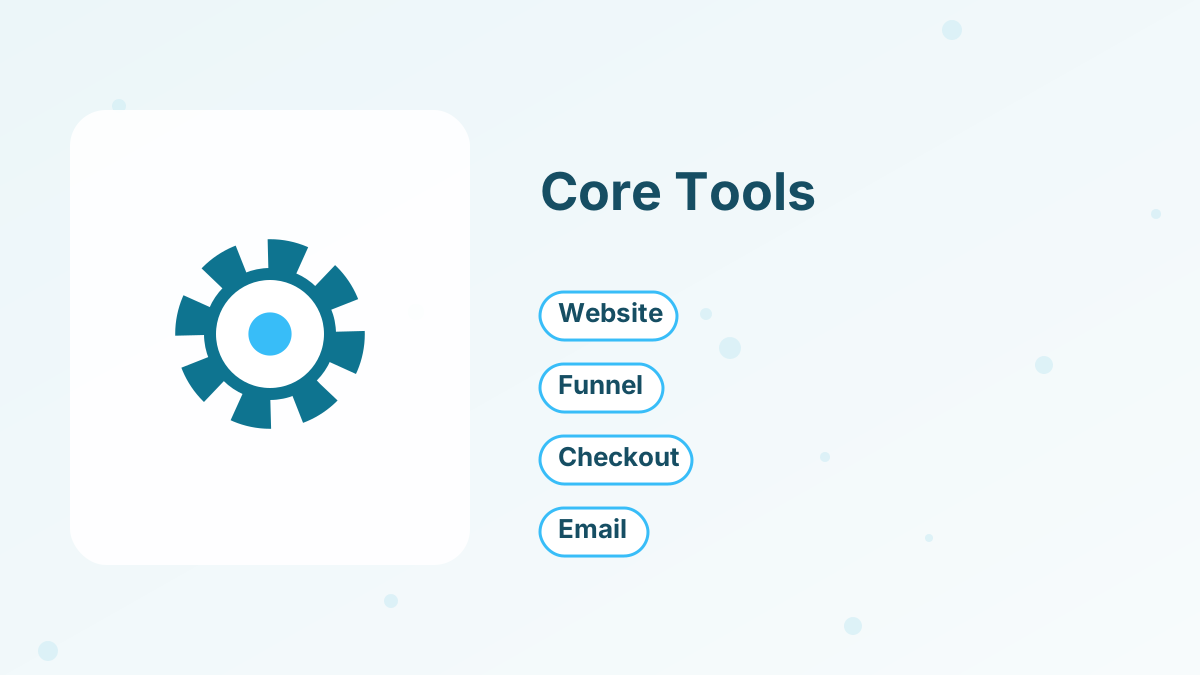
To sell online, you need a few essentials: a place to explain your offer, a way to collect emails, a checkout and a way to deliver what you sell. You can assemble these from separate tools or use one platform that covers them.
| Need | What it does | Example |
|---|---|---|
| Website or sales pages | Explain your offer and build trust | Website builder or funnel builder |
| Opt-in pages | Collect email addresses | Funnel builder or email tool |
| Email marketing | Nurture leads and sell | Email platform with automation |
| Checkout and payments | Take payment securely | Funnel checkout with Stripe or PayPal |
| Delivery | Give access to products or courses | Course area, membership or file delivery |
Systeme.io covers all of these in one account: websites, sales funnels, email marketing, checkout, courses, communities, a blog and an affiliate program you can run for your own products. The free plan includes 3 funnels, 1 course, 1 blog and 2,000 contacts, with no time limit and 0% transaction fees, so you can launch without monthly software costs. See all-in-one vs separate marketing tools.
Step 6: Build an Email List From Day One
Social platforms change their rules and reach constantly. Your email list is the audience you control. Offer a free resource related to your niche, such as a checklist, template or mini-course, in exchange for an email address.
Then send a short welcome sequence that introduces you, delivers value and presents your offer. This simple system keeps selling while you work on other things. See how to start an email list and welcome email sequence.
Step 7: Launch Your First Offer
Don't wait for perfection. Launch a simple version of your offer to the people who've shown interest, gather feedback and improve.
A launch can be as simple as a few emails to your list and a handful of posts announcing the offer, explaining who it's for and setting a deadline for a launch bonus. See how to build a sales funnel.
Step 8: Choose One Marketing Channel
Beginners often spread themselves across every platform and see little result anywhere. Choose one main channel that suits your audience and your strengths, and commit to it for several months.
| Channel | Strength | Takes time to build? |
|---|---|---|
| Search content and blogging | Steady traffic from people searching for answers | Yes |
| YouTube | Trust through video and long shelf life | Yes |
| Short-form social | Fast reach and discovery | Moderate |
| Podcasting and guesting | Deep trust with engaged listeners | Moderate |
| Partnerships and affiliates | Borrowed trust from others' audiences | Moderate |
| Paid ads | Fast, scalable traffic | No, but costs money |
Whatever you choose, point it toward your email list. Content gets attention; email turns attention into customers.
Step 9: Measure, Improve and Grow
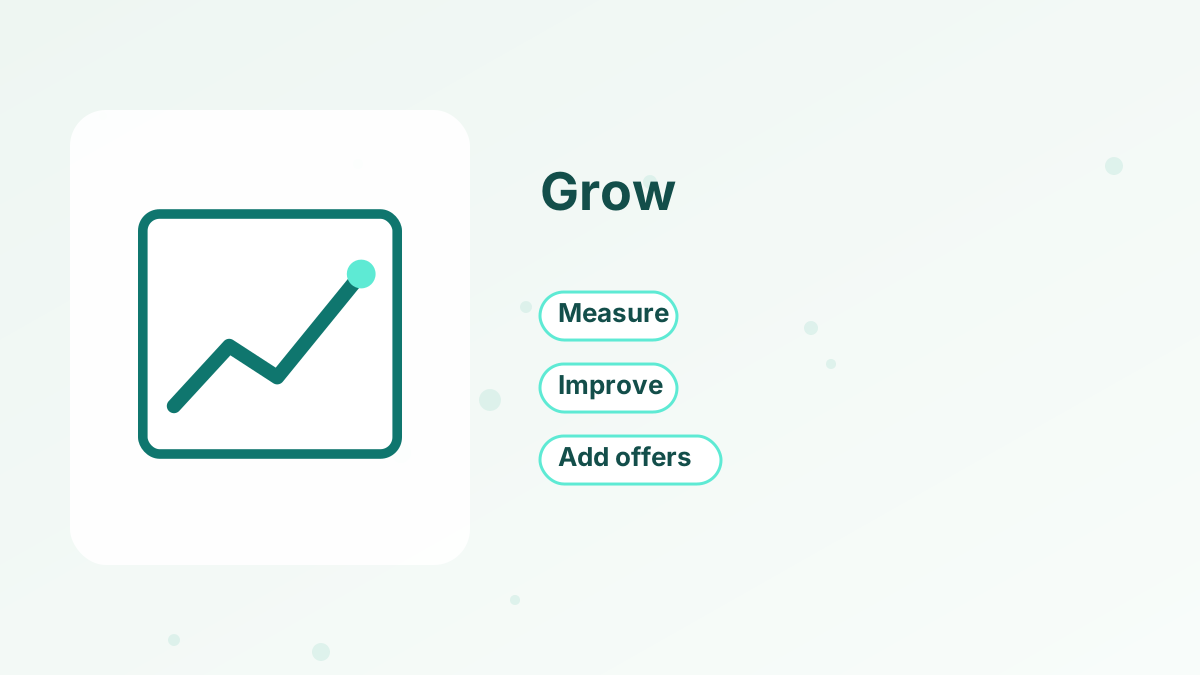
Once sales start, watch a few key numbers: how many visitors become subscribers, how many subscribers become customers and how much each customer spends. Improve the weakest step first.
Then grow by adding offers for existing customers, such as an order bump, an upsell or a premium version. Selling more to happy customers is usually easier than finding new ones. See sales funnel metrics and order bumps and upsells.
How Much Does It Cost to Start?
You can start many online businesses for very little. A domain costs a small yearly fee, and platforms with free plans let you launch sales pages, email and checkout before paying monthly fees. The main investment is your time.
Costs rise as you grow: paid plans for more contacts or features, design help, ads and specialist tools. Spend money where it removes a real bottleneck, not because a tool looks impressive.
Common Mistakes When Starting an Online Business
The most common mistakes are building before validating, choosing too broad a niche, jumping between ideas, ignoring email, trying every marketing channel at once and spending heavily on tools before making a sale. Another is giving up too early: most online businesses take months of consistent work before income becomes steady.
Launch Your Online Business Free
Websites, funnels, email, checkout and courses on systeme.io, with 0% transaction fees.
Try Systeme.io FreeHow to Start an Online Business FAQs
What is the easiest online business to start?
Services, coaching and simple digital products are usually easiest, because they need little upfront cost and can earn quickly.
Can you start an online business with no money?
Yes, in many cases. Free plans like systeme.io's let you launch pages, email and checkout without software costs, though you'll still invest time.
How long does it take to make money online?
Services can earn within weeks. Content-based models like affiliate marketing usually take months of consistent work.
Do you need a website to start an online business?
You need somewhere to explain your offer and take payment. That can be a simple funnel rather than a full website.
Do you need to register a business?
Requirements depend on your country and income. Check local rules or ask an accountant.